Meniscectomy – Torn Meniscus Surgery
Meniscectomy – Torn Meniscus Surgerycopic foraminotomy
The meniscus is a cartilaginous disc located in the knee joint and is in the shape of a crescent moon. Too much force on the meniscus, especially rotational forces, can cause a tear to form. This type of meniscus injury can be treated surgically with positive results.
Your advantages at OrthoCenter Munich
- International Excellence in Orthopaedics: Treatment of patients from around the world with multilingual care and the highest international standards.
- Scientifically Leading Expertise: Over one hundred scientific publications and international research ensure evidence-based medicine at the highest level.
- Modern Conservative and Minimally Invasive Therapies: Regenerative medicine such as PRP, hyaluronic acid or stem cell therapy combined with precise arthroscopic surgery.
- Specialisation in Shoulder, Knee, Elbow and Ankle: Individual diagnostics and treatment for all relevant joint conditions and injuries.
- High-Level Sports Orthopaedics: Modern treatment concepts and structured return-to-sport strategies for recreational and professional athletes.
- Premium Private Practice with Personal Care: Short pathways, direct communication with your physician and individual, high-quality support throughout the entire course of treatment.
Effective treatments for a torn meniscus
Meniscal injuries and in particular a meniscal tear are frequent consequences of excessive knee strain, which can occur, for example, while skiing or playing football. Strain that occurs over many years can also lead to the gradual development of a meniscal injury and cause a tear. In general, the medial meniscus is involved. The lateral meniscus has more mobility and is therefore less frequently damaged. A meniscus tear will usually cause severe pain coupled with visible swelling. The tear can also be accompanied by cartilage and ligament damage. Depending on the nature and extent of the meniscus injury, different treatment methods will be used. These will all fall within the context of arthroscopic knee surgery, meaning a comfortable and gentle procedure for the patient.
Surgical treatment
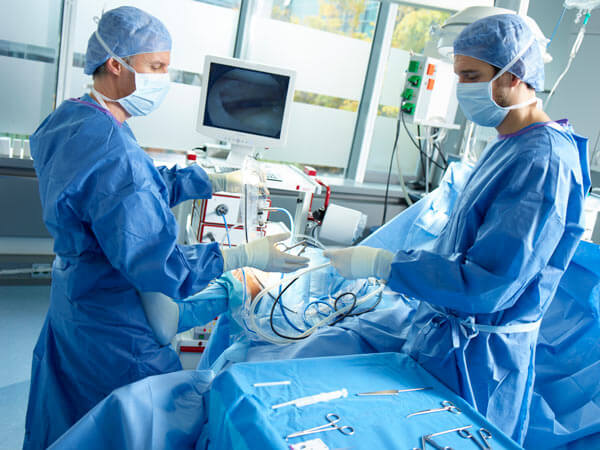
First, your orthopaedic specialist will examine the extent of the damage. The detailed diagnosis gives information about whether a partial meniscectomy or a meniscal fixation should take place. All of the surgical operations will be performed arthroscopically, meaning that only small incisions will be made, through which the surgical instruments are inserted. The healing time is therefore considerably shorter and the surgical scars are almost invisible. At the latest, you should be able to put full weight on your knee again two months after surgery.
Specialist medical treatment
The best course of treatment for a meniscal injury or tear is dependent on many factors, including the extent of damage to the cartilage disc in the knee joint. An accurate diagnosis is essential to ensure that the correct course of treatment is decided upon.

Your knee specialist in Munich
PD Dr. med. Daniel P. Berthold
- Board-certified specialist in orthopedics and trauma surgery with international training at TUM, LMU, and the University of Connecticut.
- Over 100 scientific publications and award-winning research.
- Modern conservative therapies such as PRP, hyaluronic acid, and stem cell procedures.
- Precise minimally invasive surgery and individualized, evidence-based treatment planning
- Special expertise in ACL injuries, meniscal tears, and cartilage damage
- Modern diagnosis and treatment of patellar instability and overuse syndromes
- Individualized treatment concepts for sports injuries, osteoarthritis, and complex knee conditions