A brief description of acromion-clavicular (AC) surgery
Surgery for Shoulder Arthritis
The shoulder joint, also called AC joint, is located between the acromion process and the clavicle. Patients may encounter pain during movement and a sensitivity to touch – discomfort that can be addressed by the means of arthroscopic shoulder surgery.
Your advantages at OrthoCenter Munich
- International Excellence in Orthopaedics: Treatment of patients from around the world with multilingual care and the highest international standards.
- Scientifically Leading Expertise: Over one hundred scientific publications and international research ensure evidence-based medicine at the highest level.
- Modern Conservative and Minimally Invasive Therapies: Regenerative medicine such as PRP, hyaluronic acid or stem cell therapy combined with precise arthroscopic surgery.
- Specialisation in Shoulder, Knee, Elbow and Ankle: Individual diagnostics and treatment for all relevant joint conditions and injuries.
- High-Level Sports Orthopaedics: Modern treatment concepts and structured return-to-sport strategies for recreational and professional athletes.
- Premium Private Practice with Personal Care: Short pathways, direct communication with your physician and individual, high-quality support throughout the entire course of treatment.
Compared to open surgery, the arthroscopic procedure is far more gentle – especially to the tendons and the musculature, resulting in a much improved healing process.
The course of action
If the tendons of the AC joint are uninjured and the patient’s only affliction is arthritis, the surgery will take place as so:
- The surgeon reaches the afflicted area with his instruments through small incisions (0.5 – 1 centimetres in length)
- Impinging outgrowths of the bone and approximately 5 millimetres of the clavicle are removed with a small trephine
- In addition to this procedure, the inflammed bursae below the acromion process are removed
- Summarized: the distance between acromion process and collar bone is widened, resulting in the afflicted surfaces of the joint no longer rubbing against each other and therefore removing the cause of pain
Treatment: post-operative measures
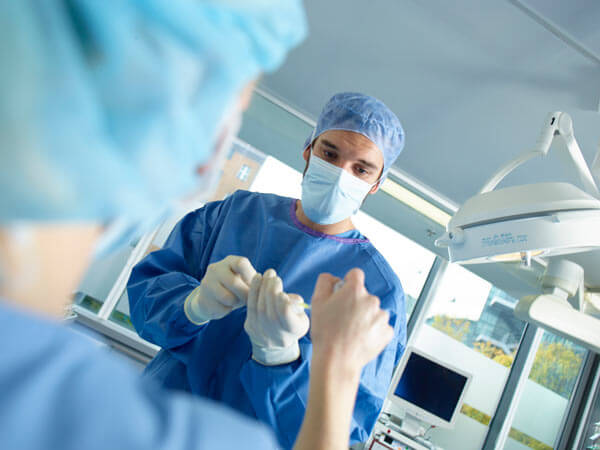
To counteract possible adhesions or agglutinations, the patient is recommended to move his arm on the first day after the surgical procedure. Rehabilitation is different from patient to patient, in most cases it will last approximately two to four weeks.

Your shoulder specialist in Munich
PD Dr. med. Daniel P. Berthold
- Board-certified specialist in orthopedics and trauma surgery with international training at TUM, LMU, and the University of Connecticut.
- Over 100 scientific publications and award-winning research.
- Modern conservative therapies such as PRP, hyaluronic acid, and stem cell procedures.
- Precise minimally invasive surgery and individualized, evidence-based treatment planning
- Extensive expertise in instability, AC joint injuries, and rotator cuff tears
- Scientifically leading in the field of shoulder surgery
- Individualized care for athletes and high-demand patients